
Researchers & UT Community
Proof of Concept Awards
TEXAS PROOF OF CONCEPT AWARDS
These awards provide competitive funding for UT faculty members or permanent researchers with a principal investigator (PI) status to accelerate the tech commercialization process.
Texas Proof of Concept Awards
- Maximum value of $25,000
- No matching requirement
Texas+ Proof of Concept Awards
Requires the applicant to secure $125,000 in matching funds from an industry partner
Maximum value of $125,000
HOW TO APPLY
Applicants from any UT college, school, or unit may apply for one or both awards in any order; however, if a UT researcher wins both a Texas and Texas+ Proof of Concept award for a specific innovation, their total funding is limited to $125,000. In addition, applicants can receive a maximum of two Proof of Concept awards per year.
Email pocawards@austin.utexas.edu with questions.
Application cycles occur during the Fall and Spring semesters.
Key Dates:
Applications Open: Monday, September 7, 2026
Application Deadline: Monday, October 12, 2026
Application Decisions: Friday, December 04, 2026
Award Ceremony: Friday, December 11, 2026
Deadlines are by 5:00 p.m. (Central) on the day indicated
Explore guidelines and view a sample application here.
Frequently Asked Questions
There are a variety of information sessions across campus. If you would like the Innovation Program Manager to come present to your college or faculty group specifically please contact them directly.
If you have questions that are not addressed in the Request for Applications & Guidelines, please contact the Innovation Program Manager.
Exceptions will be extremely rare and must be proposed by email to the Innovation Program Manager at least one week before the respective deadline. Exception proposals must provide a clear and convincing rationale.
Connect with the Intellectual Property Development team to discuss how this program can help protect and promote your discoveries. Contact us.
Please see the Application Review Criteria and let the Innovation Program Manager know if you have any questions.
- There are currently no required pre-requisite trainings for POC Award applicants; however, participation in the NSF I-Corps or similar programs is recommended.
- While POC Awards are focused on derisking the innovation or technology itself by pursuing commercially relevant milestones with clear, data-driven, go- no-go decisions, it is also important to understand customer needs and validate the market potential of the innovation or technology so that the team can work towards a commercially viable solution.
- Although prior I-Corps (or similar) participation is not mandatory, if there is not a clear
and validated market opportunity, the review committee may require completion of such
training as a condition for receiving a POC Award or before allowing a re-submission. - Please note that if you are a recipient of a Cockrell Innovation Grant, you must commit to completing an NSF I-Corps Regional or National program before or during the proposed period of performance
You will be notified at your UT email by the Innovation Program Manager with any decisions or questions concerning your POC application.
Applicants may resubmit once per technology (UT Tech ID) if they thoroughly address all reviewer feedback received.
In certain circumstances, Texas POC Awards can be made for discoveries that are already licensed to a startup on a case-by-case basis, dependent on the proposed work and status of the licensing partner. Discoveries licensed to established companies (non-startups) are not eligible for POC Awards. Applications involving licensed discoveries must be discussed with the Innovation Program Manager at least two weeks before the respective application deadline.
- Faculty salary or non-UT employee salary
- Student tuition or fees
- Travel expenditures
- Basic, fundamental, or exploratory research without clear commercial relevance
- Business development, planning, customer discovery, or market validation efforts (other
resources, such as I-Corps, exist to help with these efforts) - Capital equipment (equipment costing $5,000 or more)
- General facilities and administration (overhead/indirect) costs. POC funding is internal,
so overhead/indirect costs do not need to be budgeted - Publication costs
- Intellectual property application, prosecution, translation, or freedom to operate costs.
We encourage applicants to engage with the Intellectual Property Development team
to discuss these items - Please note that all uses of proceeds must enhance the ability for UT to further develop
and license the related discoveries
In addition to the examples of allowable costs and projects in the earlier Scope section for POC Awards, Cockrell Innovation Grants can also be used for the following items:
- Make, test or demo prototype (and associated travel, if necessary for project success)
- Validating market and/or pricing models
- Graduate student tuition for active students working on the funded project
- Postdoctoral or graduate student salary for those actively working on the funded project
No, all applications will be assessed in the same manner and with the same review criteria, with funding decisions made irrespective of the PI’s college or school affiliation.
If anything, we expect that Cockrell’s support of some projects with Cockrell Innovation Grants will free up funding for non-Cockrell applications. We encourage PIs from all colleges and schools to apply.
The POC program will not accept in-kind, non-cash, contributions for matching purposes. In general, Federal funds are not accepted for matching purposes.
Contact us with any questions regarding the Discovery to Impact Proof of Concept Awards program. If you would like to discuss any specific eligibility questions or details about your potential POC project, please include days and times that would work for a Zoom call in your email correspondence.
Spring 2026 Awardees
READ MORE
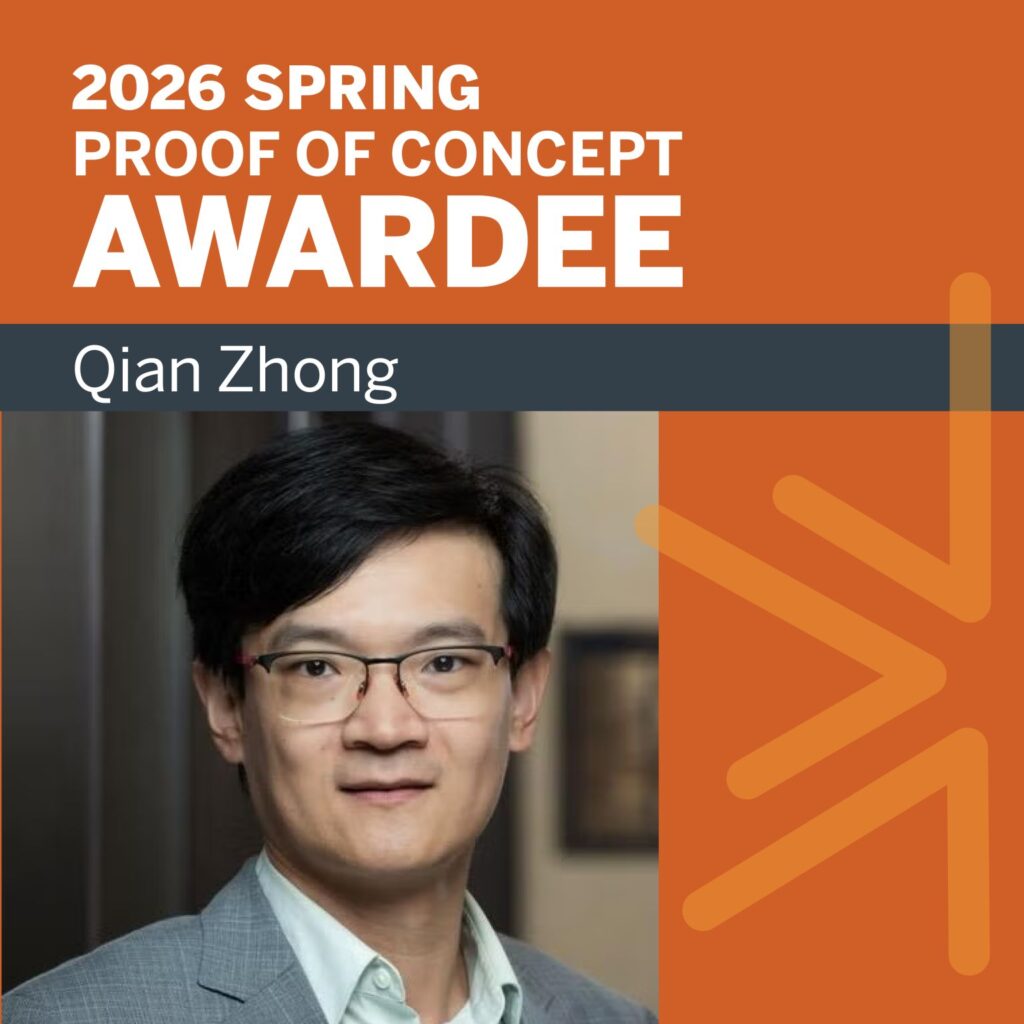
Congratulations to Dr. Qian Zhong and team, Robert Williams, Yuling Chen, and Karlie Flader, on receiving a Discovery to Impact Proof of Concept Award for their project, Bedside Breathe-In Diagnostics for Pulmonary Fibrosis.
A faculty member in The University of Texas at Austin, College of Pharmacy, Dr. Zhong and his team are advancing a rapid, noninvasive diagnostic platform that uses inhaled biosensors and a urine test to enable early bedside detection of pulmonary fibrosis.
READ MORE
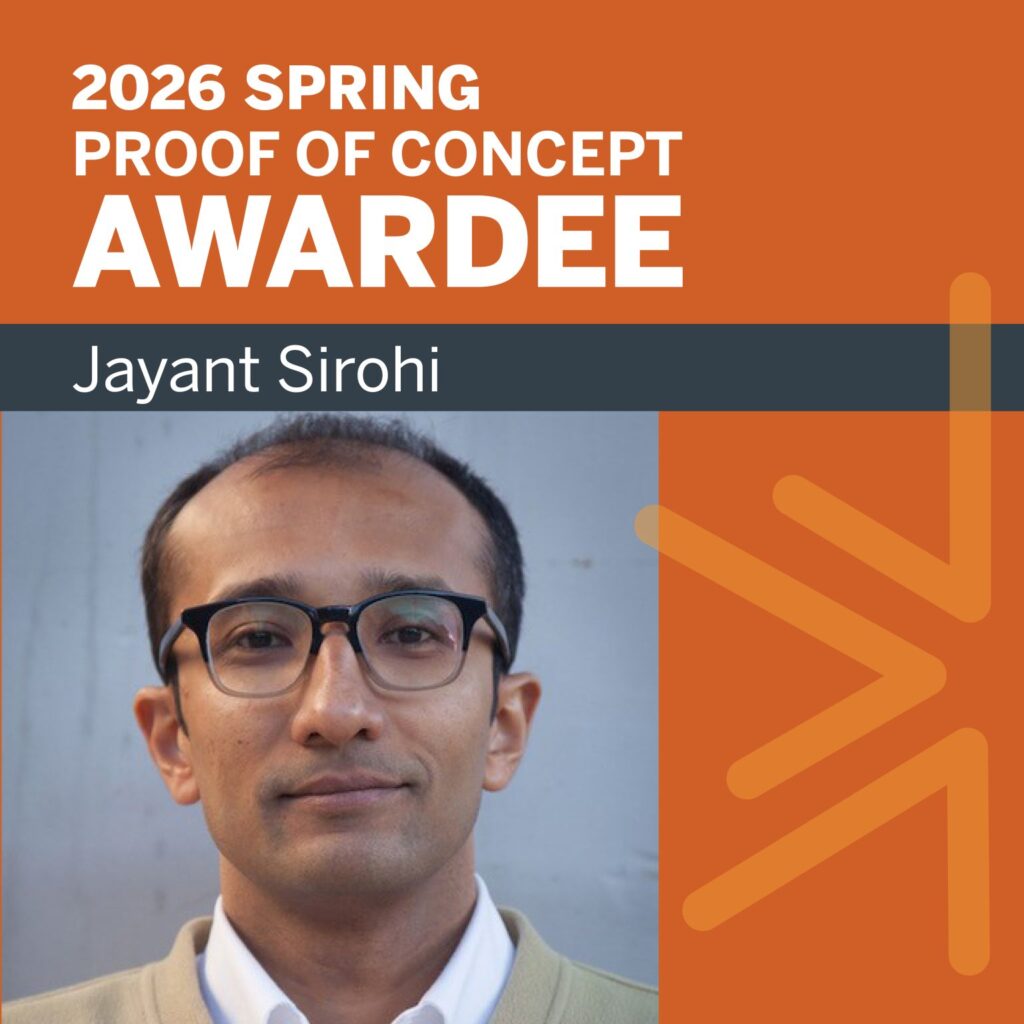
Congratulations to Dr. Jayant Sirohi on receiving a Discovery to Impact Proof of Concept Award for his project, Precision Aerial Firefighting System.
Dr. Sirohi, a faculty member in the Cockrell School of Engineering, The University of Texas at Austin is advancing a low-cost, precision aerial firefighting technology that uses a guided, autorotative delivery system deployed from fixed-wing drones to accurately place fire suppressants on early-stage wildfires.

READ MORE
Congratulations to Dr. Daniella Rempe on receiving a Discovery to Impact Proof of Concept Award for her project, Doing for Floods What Smoke Alarms Did for Fire.
Dr. Rempe, an associate professor in the Jackson School of Geosciences at The University of Texas at Austin, is advancing a low-cost, fully autonomous flood alarm designed to provide immediate, site-specific warnings when rising water reaches a location.
READ MORE
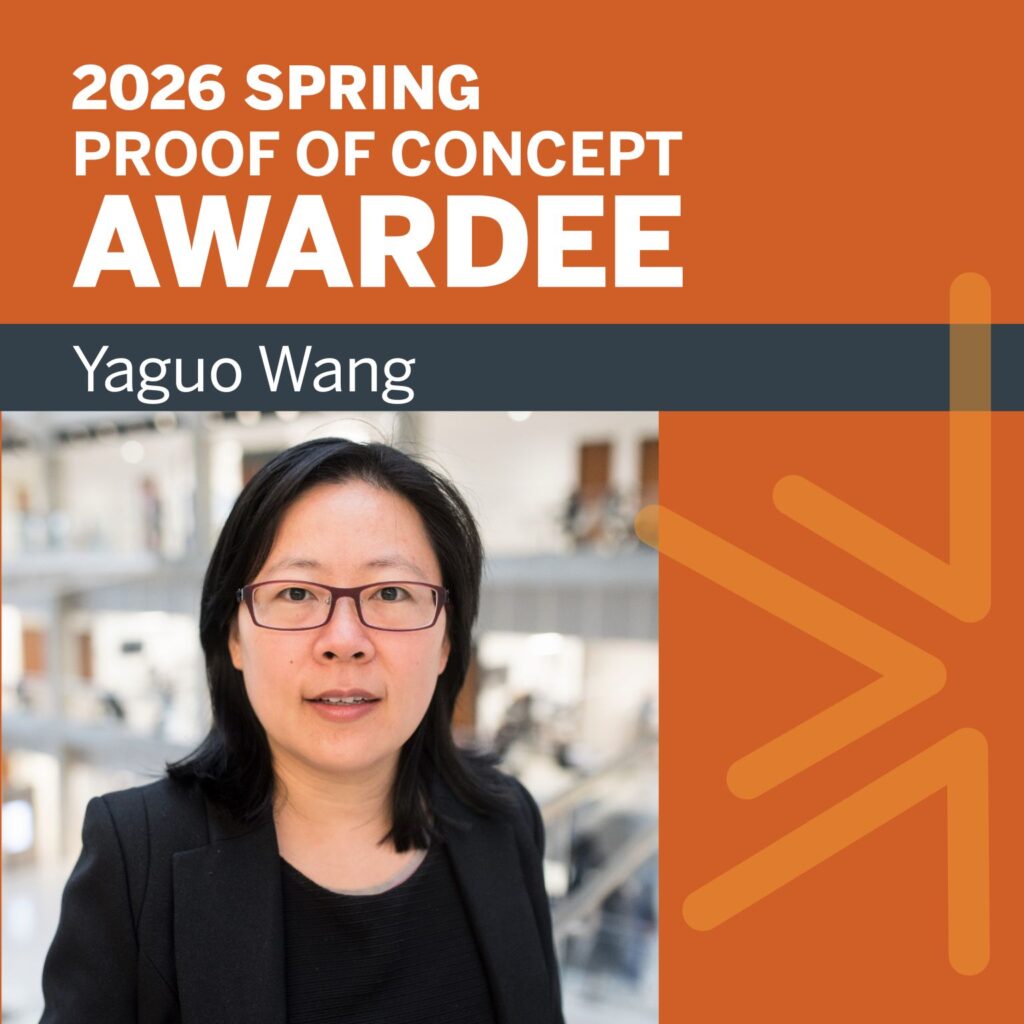
Congratulations to Dr. Yaguo Wang and Alejandro Saenz on receiving a Discovery to Impact Proof of Concept Award for their project, High-Performance Flexible Electronics.
A faculty member in the Cockrell School of Engineering, The University of Texas at Austin, Dr. Wang is advancing an ambient‑air femtosecond laser sintering process to produce oxidation‑free, high‑conductivity copper films on flexible substrates.
READ MORE
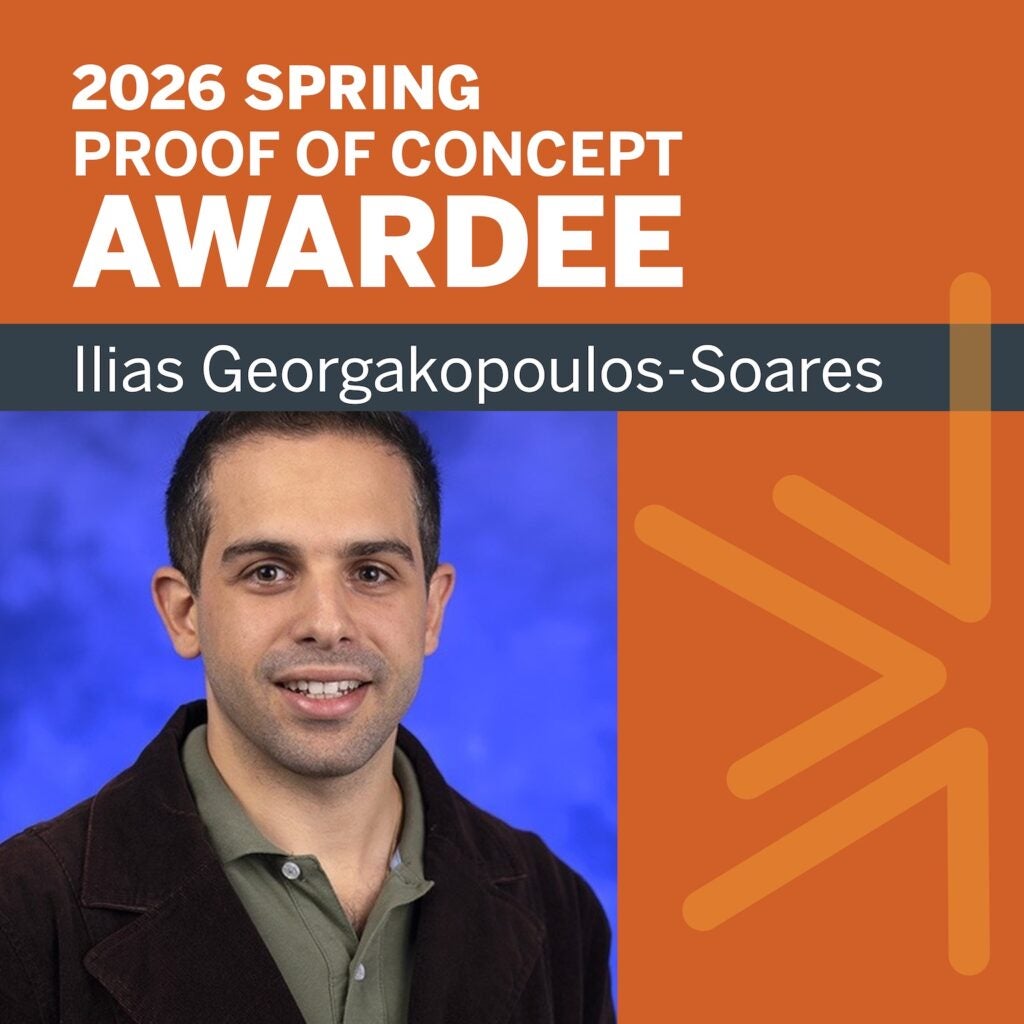
Congratulations to Assistant Professor Dr. Ilias Georgakopoulos-Soares, PhD, and his research teams on receiving two awards recognizing innovative work in privacy-preserving genomic analysis and data compression.
Dr. Georgakopoulos-Soares and team members Kimonas Provatas and Ioannis Mouratidis received a Discovery to Impact Proof of Concept Award for their project, Privacy Preserving Framework for Genomic Analyses. The team is advancing a software-based, privacy-preserving framework that enables secure genomic analysis directly on encrypted data using homomorphic encryption, helping make genomic research more secure and accessible.
Dr. Georgakopoulos-Soares also received an award with team members Michail Patsakis, Aris Karatzikos, and Ioannis Mouratidis for their project, Structure Aware Lossless Compression. The team is developing a structure-aware, lossless data compression platform that automatically learns the underlying structure of datasets to reduce storage and data transfer costs, improving efficiency for large-scale data management and analysis.

READ MORE
Congratulations to Dr. Juan Guan and Dr. Zhengrong Cui on receiving a Discovery to Impact Proof of Concept Award for their project, A Novel Treatment for TKI-resistant Non-Small Cell Lung Cancer.
Faculty members in the The University of Texas at Austin, College of Pharmacy, Dr. Guan and Dr. Cui are advancing a novel therapeutic strategy for tyrosine kinase inhibitor–resistant non‑small cell lung cancer by using mRNA lipid nanoparticles to deliver peptides that disrupt oncogenic biomolecular condensates.
READ MORE
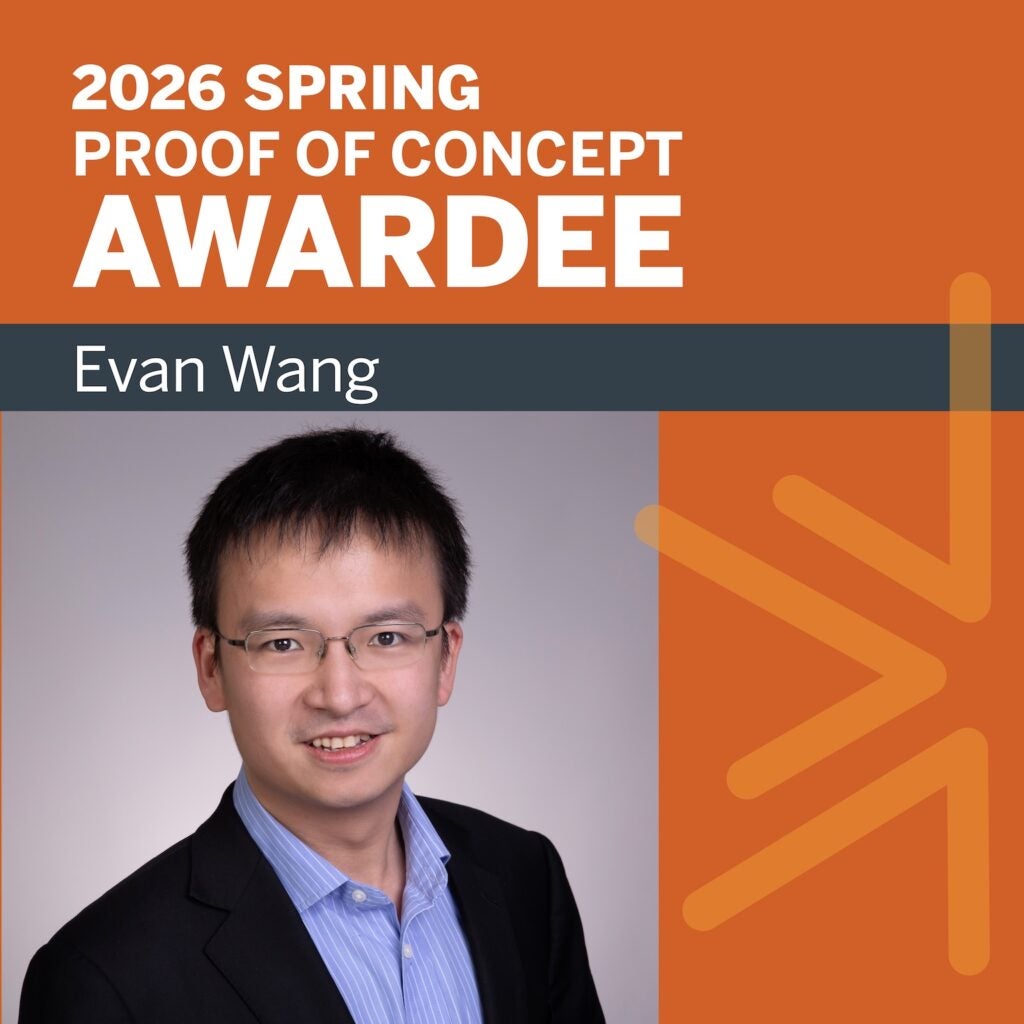
Congratulations to Dr. Huiliang (Evan) Wang and Mohammad Bashashati, M.D. on receiving a Discovery to Impact Proof of Concept Award and Cockrell Innovation Grant for their project, Wearable Ultrasound Neuromodulation System for Gastric Motility Disorders.
Dr. Wang, a faculty member in the Cockrell School of Engineering, The University of Texas at Austin, and Dr. Bashashati, a faculty member in Dell Medical School at the University of Texas at Austin, are advancing a wearable ultrasound neuromodulation system for noninvasive, at-home treatment of gastroparesis and functional dyspepsia.
READ MORE
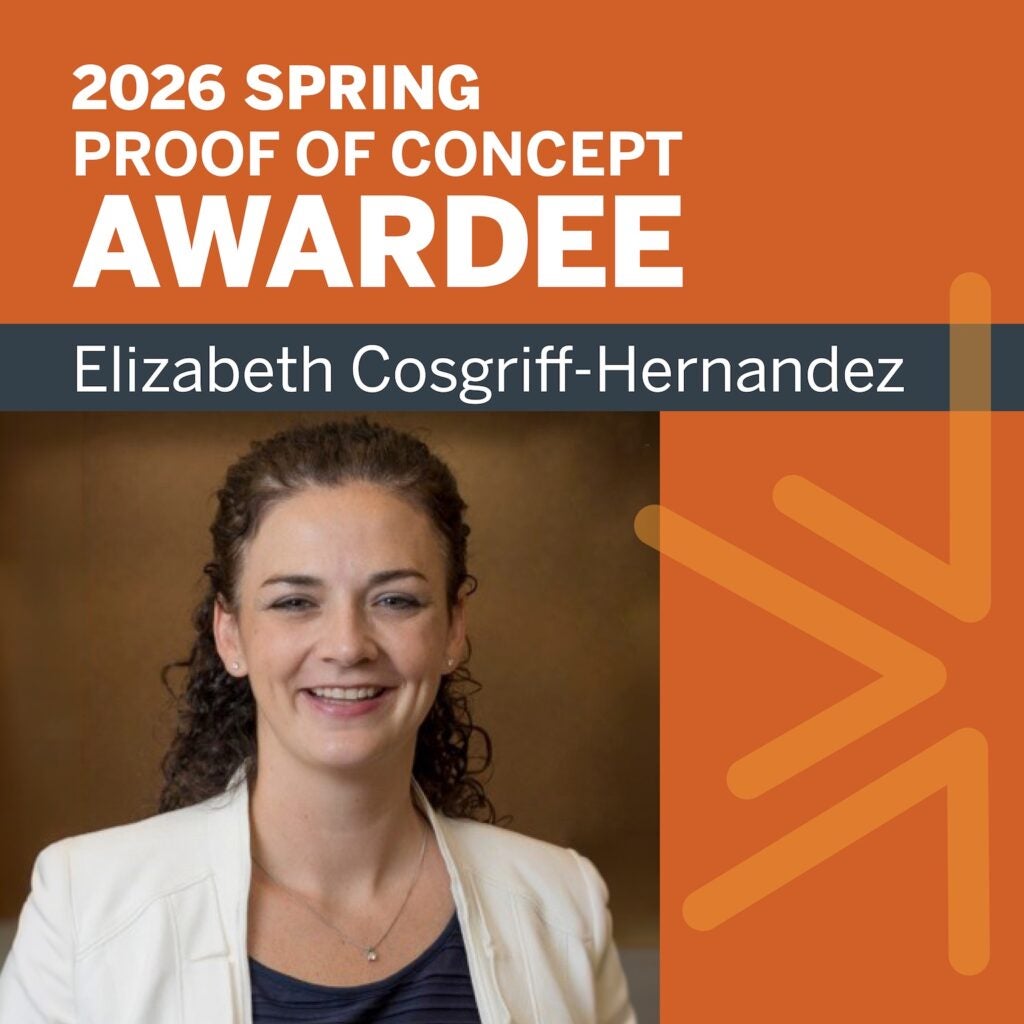
Congratulations to Dr. Elizabeth Cosgriff Hernandez and her collaborators on receiving two awards recognizing innovative work in cardiac rhythm therapy and lung surgery.
Dr. Cosgriff Hernandez received a Discovery to Impact Proof of Concept Award for her project, Transforming Cardiac Rhythm Therapy using Hydrogel mediated Ablation. She and her team are advancing a hydrogel mediated radiofrequency ablation technology designed to improve cardiac rhythm therapy by enhancing energy transfer and thermal control for more uniform lesions and fewer complications.
Dr. Cosgriff Hernandez and her collaborators from MD Anderson, Nicolas Zhou, Paula Aguilera Rodriguez, Andrew Ferrer, and Tim Marin, also received a Discovery to Impact Proof of Concept Award and a Cockrell Innovation Grant for their project, Next Generation BioPatch to Seal Air Leaks After Lung Resection. The team is developing a next generation lung BioPatch designed to rapidly seal post resection air leaks using a pressure resistant, tissue integrating design.
READ MORE
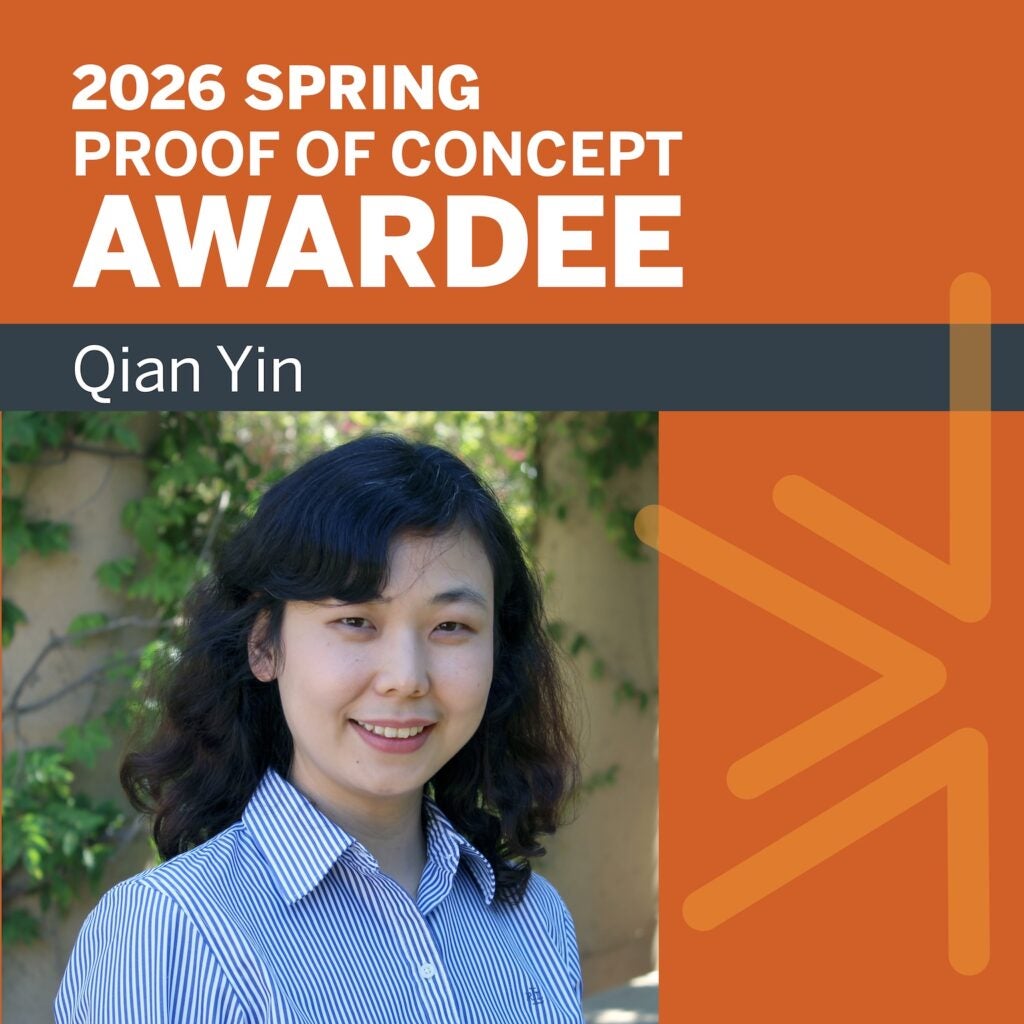
Congratulations to Dr. Qian Yin and collaborator Dr. Zhengrong Cui on receiving both a Discovery to Impact Proof of Concept Award and a Cockrell Innovation Grant for their project, A Novel Adjuvant for Pan-filovirus Vaccine.
Dr. Yin, from the Cockrell School of Engineering, The University of Texas at Austin, is advancing a novel solid-form nanoparticle adjuvant toward a stockpile-ready, pan-filovirus vaccine with broad, durable protection against Ebola, Sudan, and Marburg viruses.
PAST Award Recipients
-
Michael Baker Minimal Motion Maximum Impact
Synopsis:
A new synthetic data generation approach is being advanced to address the shortage of large, high‑quality motion datasets used in biomechanics, rehabilitation, sports analytics, and robotics. The technology expands small samples of human or robotic motion into large, annotated datasets with realistic variability using proprietary harmonic randomization, avoiding the cost and limitations of traditional motion capture or generative AI methods. Proof‑of‑concept funding supported development of a licensable software module that integrates into existing AI pipelines to accelerate machine‑learning–driven motion analysis and training applications.
-
Mitchell Pryor Inspection Robot for Floating Roof Storage Tanks
Synopsis:
In the oil and gas industry, manual inspection of seals in floating roof storage tanks is inaccurate, costly, and dangerous. Inspections are increasingly necessary given our aging infrastructure and desire to minimize the release of fugitive emissions harmful to inspectors and the environment. UT innovators have developed an autonomous robotic solution that performs tank inspections safer, cheaper, faster, and more accurately than traditional, manual methods.
-
Nancy Moran A Probiotic Mixture that Aids in Honeybee Health
Synopsis:
Prior laboratory studies show the probiotic can successfully establish in the bee gut, activate immune and nutritional pathways, and significantly improve survival following pathogen exposure compared to existing commercial products. This project develops a probiotic mixture composed of native honeybee gut bacteria to restore healthy microbiomes and improve resistance to pathogens, addressing major drivers of honeybee colony losses that threaten agricultural pollination. Proof‑of‑concept funding supports packaging validation and field‑based efficacy trials to determine whether these laboratory benefits translate to improved hive health and productivity under real‑world beekeeping conditions, enabling go/no‑go decisions for commercialization.
-
Nanshu Lu Wireless Chest E-Tattoo as a Wearable Cardiac Output Monitor
Synopsis:
A significant number of adults and children develop low cardiac output syndrome after surgery or disease and it can often lead to death if not detected and treated for. Engineer Dr. Nanshu Lu and her team are developing a wireless chest e-tattoo that can provide seamless, non-invasive long-term cardiac output monitoring.
-
Owen Beck FOOT-STIFFENING SOCKS & LOCOMOTOR PERFORMANCE
Synopsis:
Researchers at The University of Texas at Austin have developed TEXASocks, a novel foot-stiffening sock technology that applies targeted pressure to the forefoot to reduce the metabolic effort of walking and running. Unlike costly “super shoes” that only benefit runners, this low-cost sock innovation is designed to make both walking and running less effortful by reducing calf muscle demand. With growing interest from major footwear brands, the technology is now advancing toward testing with high-performance running shoes to validate its performance benefits for athletes.
-
Qian Yin A Novel Adjuvant for Pan-filovirus Vaccine
Synopsis:
Researchers at UT Austin are developing a novel, solid‑form nanoparticle adjuvant designed to enable a stockpile‑ready, pan‑filovirus vaccine that can provide broad, durable protection against Ebola, Sudan, and Marburg viruses. The platform leverages a thermostable, plug‑and‑play design that broadens immune recognition of conserved viral regions, with prior validation in influenza and coronavirus models demonstrating superior breadth and durability compared to licensed vaccines. Proof of Concept funding supports solid‑form formulation, immunogenicity testing in animal and human organoid models, and translational validation to de‑risk the technology for biodefense procurement and future commercial partnerships.
-
Qian Zhong Bedside Breathe-In Diagnostics for Pulmonary Fibrosis
Synopsis:
A rapid, noninvasive diagnostic platform is being advanced that uses inhaled biosensors and a simple urine test to enable early, bedside detection of pulmonary fibrosis without the need for lung biopsy. The technology leverages disease specific protease activity in the lung to generate a multiplexed urinary signal that can noninvasively distinguish pulmonary fibrosis from other chronic pulmonary disorders and lung malignancy within one to two hours. Proof of concept funding supports validation in clinically confounding disease models, development of a higher plex lateral flow assay, and preliminary safety studies to accelerate translation toward clinical testing and commercialization.
-
Radu Marculescu CASCADE; Deep Learning for Medical Image Segmentation
Synopsis:
CASCADE is an AI‑based, plug‑and‑play software platform designed to improve colonoscopy quality by enabling real‑time, pixel‑level detection and segmentation of adenomatous polyps. By reducing variability in adenoma detection and supporting more complete polyp removal, the technology has the potential to lower colorectal cancer risk and standardize outcomes across clinicians. Proof‑of‑concept funding supported development of a deployable MVP and clinical pilot testing within UT‑affiliated GI practices to validate workflow integration and clinical value.
-
Ryosuke Okuno CO2 Nanobubble Generation for Enhanced Oil Recovery
Synopsis:
A novel CO₂ nanobubble technology is being advanced to dramatically improve the efficiency of enhanced oil recovery, particularly in shale and tight formations where effective EOR methods are limited. By generating stable CO₂ nanobubbles at high pressure and throughput, the approach increases oil recovery while reducing CO₂ consumption by more than threefold, making the use of captured CO₂ economically viable. Proof‑of‑concept funding supported laboratory validation, shale core experiments, and field‑scale modeling to position the technology for pilot testing and commercialization through an emerging startup.
-
Ryosuke Okuno Efficient Carbon Management via Novel Pathways
Synopsis:
This award enables development of a modular, electrochemically driven carbon capture approach that replaces energy‑intensive thermal amine regeneration with bipolar electrodialysis operating at ambient conditions. By capturing CO₂ as bicarbonate and simultaneously regenerating amines, the technology has the potential to cut regeneration energy use and capture costs by more than half compared to conventional systems. Proof‑of‑concept funding supports bench‑scale optimization and pilot testing relevant to steam methane reforming and blue hydrogen production, advancing a scalable pathway for lower‑cost industrial decarbonization.
-
Sabyasachi Tiwari AI accelerated design of quantum materials
Synopsis:
This effort advances an AI‑driven materials simulation platform that dramatically accelerates electronic and quantum materials modeling by generating ultra‑localized representations of electronic wavefunctions. By reducing computational complexity and energy demands by up to three orders of magnitude, the approach enables advanced materials simulations to run accurately on standard desktop hardware rather than leadership‑class supercomputers. Proof of concept funding supports development of a cloud‑based, user‑friendly software platform that integrates with existing materials simulation workflows and positions the technology for adoption by academic labs, national facilities, and industrial R&D teams.
-
Salvatore Salamone Rail Defect Detection by Noncontact Vibration Measurements
Synopsis:
Nonvisible transverse defects in railways are one of the main causes of railway track-related incidents, costing hundreds of millions of dollars in the past two decades. Current rail inspection technologies cannot be mounted on operating train cars and are only reliable at slow speeds, costing railway operators time and money. UT engineers have developed a laser doppler system that can be used on operating trains and at much higher speeds.
Discovery to Impact partners with researchers, inventors, investors, and entrepreneurs at every step of their journey in relentless pursuit of changing the world.