
Researchers & UT Community
Proof of Concept Awards
TEXAS PROOF OF CONCEPT AWARDS
These awards provide competitive funding for UT faculty members or permanent researchers with a principal investigator (PI) status to accelerate the tech commercialization process.
Texas Proof of Concept Awards
- Maximum value of $25,000
- No matching requirement
Texas+ Proof of Concept Awards
Requires the applicant to secure $125,000 in matching funds from an industry partner
Maximum value of $125,000
HOW TO APPLY
Applicants from any UT college, school, or unit may apply for one or both awards in any order; however, if a UT researcher wins both a Texas and Texas+ Proof of Concept award for a specific innovation, their total funding is limited to $125,000. In addition, applicants can receive a maximum of two Proof of Concept awards per year.
Email pocawards@austin.utexas.edu with questions.
Application cycles occur during the Fall and Spring semesters.
Key Dates:
Applications Open: Monday, September 7, 2026
Application Deadline: Monday, October 12, 2026
Application Decisions: Friday, December 04, 2026
Award Ceremony: Friday, December 11, 2026
Deadlines are by 5:00 p.m. (Central) on the day indicated
Explore guidelines and view a sample application here.
Frequently Asked Questions
There are a variety of information sessions across campus. If you would like the Innovation Program Manager to come present to your college or faculty group specifically please contact them directly.
If you have questions that are not addressed in the Request for Applications & Guidelines, please contact the Innovation Program Manager.
Exceptions will be extremely rare and must be proposed by email to the Innovation Program Manager at least one week before the respective deadline. Exception proposals must provide a clear and convincing rationale.
Connect with the Intellectual Property Development team to discuss how this program can help protect and promote your discoveries. Contact us.
Please see the Application Review Criteria and let the Innovation Program Manager know if you have any questions.
- There are currently no required pre-requisite trainings for POC Award applicants; however, participation in the NSF I-Corps or similar programs is recommended.
- While POC Awards are focused on derisking the innovation or technology itself by pursuing commercially relevant milestones with clear, data-driven, go- no-go decisions, it is also important to understand customer needs and validate the market potential of the innovation or technology so that the team can work towards a commercially viable solution.
- Although prior I-Corps (or similar) participation is not mandatory, if there is not a clear
and validated market opportunity, the review committee may require completion of such
training as a condition for receiving a POC Award or before allowing a re-submission. - Please note that if you are a recipient of a Cockrell Innovation Grant, you must commit to completing an NSF I-Corps Regional or National program before or during the proposed period of performance
You will be notified at your UT email by the Innovation Program Manager with any decisions or questions concerning your POC application.
Applicants may resubmit once per technology (UT Tech ID) if they thoroughly address all reviewer feedback received.
In certain circumstances, Texas POC Awards can be made for discoveries that are already licensed to a startup on a case-by-case basis, dependent on the proposed work and status of the licensing partner. Discoveries licensed to established companies (non-startups) are not eligible for POC Awards. Applications involving licensed discoveries must be discussed with the Innovation Program Manager at least two weeks before the respective application deadline.
- Faculty salary or non-UT employee salary
- Student tuition or fees
- Travel expenditures
- Basic, fundamental, or exploratory research without clear commercial relevance
- Business development, planning, customer discovery, or market validation efforts (other
resources, such as I-Corps, exist to help with these efforts) - Capital equipment (equipment costing $5,000 or more)
- General facilities and administration (overhead/indirect) costs. POC funding is internal,
so overhead/indirect costs do not need to be budgeted - Publication costs
- Intellectual property application, prosecution, translation, or freedom to operate costs.
We encourage applicants to engage with the Intellectual Property Development team
to discuss these items - Please note that all uses of proceeds must enhance the ability for UT to further develop
and license the related discoveries
In addition to the examples of allowable costs and projects in the earlier Scope section for POC Awards, Cockrell Innovation Grants can also be used for the following items:
- Make, test or demo prototype (and associated travel, if necessary for project success)
- Validating market and/or pricing models
- Graduate student tuition for active students working on the funded project
- Postdoctoral or graduate student salary for those actively working on the funded project
No, all applications will be assessed in the same manner and with the same review criteria, with funding decisions made irrespective of the PI’s college or school affiliation.
If anything, we expect that Cockrell’s support of some projects with Cockrell Innovation Grants will free up funding for non-Cockrell applications. We encourage PIs from all colleges and schools to apply.
The POC program will not accept in-kind, non-cash, contributions for matching purposes. In general, Federal funds are not accepted for matching purposes.
Contact us with any questions regarding the Discovery to Impact Proof of Concept Awards program. If you would like to discuss any specific eligibility questions or details about your potential POC project, please include days and times that would work for a Zoom call in your email correspondence.
Spring 2026 Awardees
READ MORE
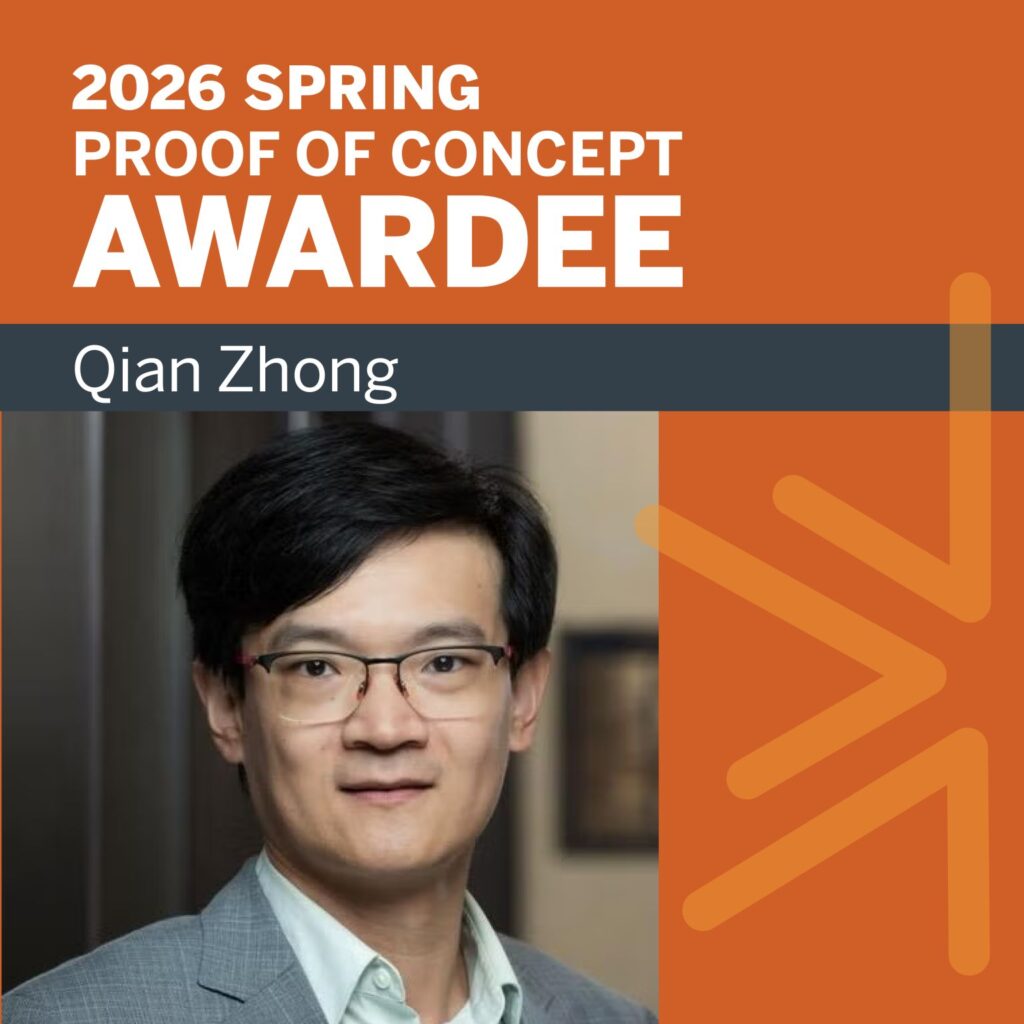
Congratulations to Dr. Qian Zhong and team, Robert Williams, Yuling Chen, and Karlie Flader, on receiving a Discovery to Impact Proof of Concept Award for their project, Bedside Breathe-In Diagnostics for Pulmonary Fibrosis.
A faculty member in The University of Texas at Austin, College of Pharmacy, Dr. Zhong and his team are advancing a rapid, noninvasive diagnostic platform that uses inhaled biosensors and a urine test to enable early bedside detection of pulmonary fibrosis.
READ MORE
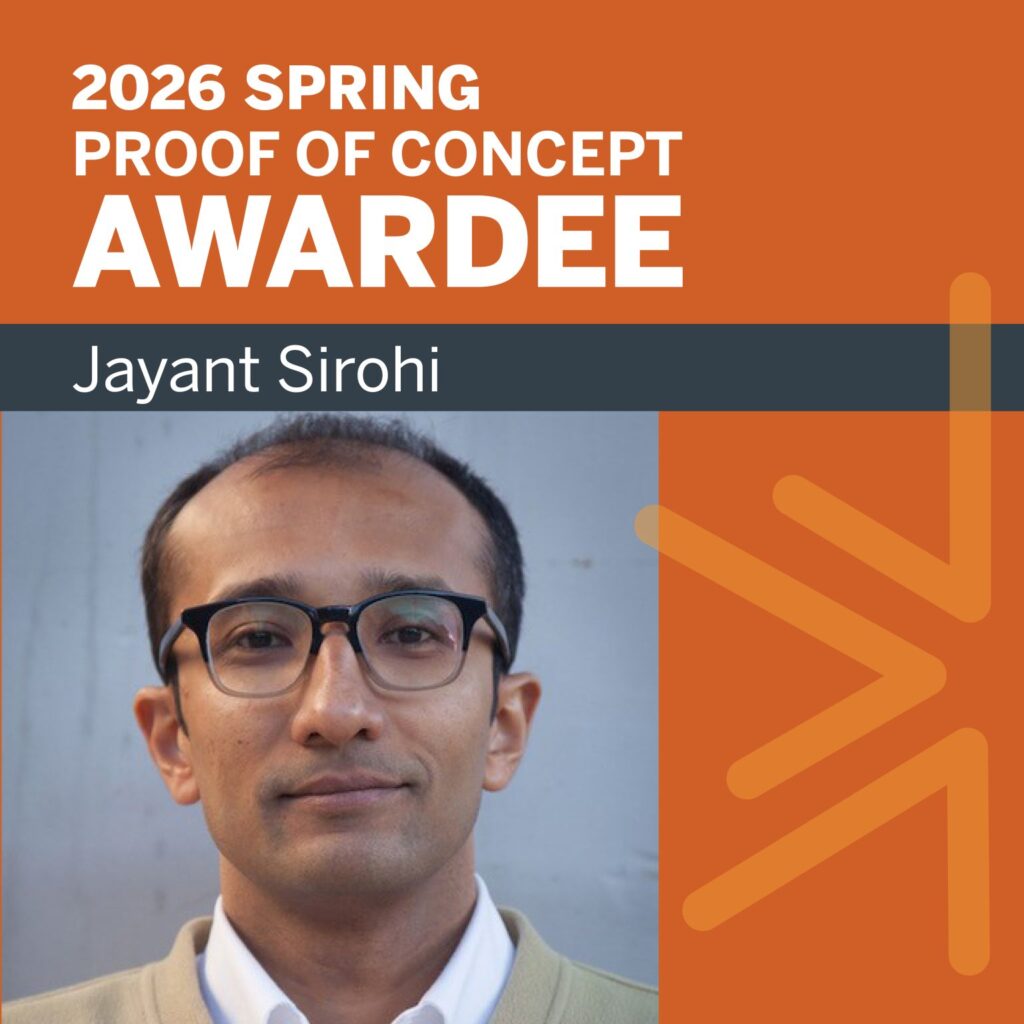
Congratulations to Dr. Jayant Sirohi on receiving a Discovery to Impact Proof of Concept Award for his project, Precision Aerial Firefighting System.
Dr. Sirohi, a faculty member in the Cockrell School of Engineering, The University of Texas at Austin is advancing a low-cost, precision aerial firefighting technology that uses a guided, autorotative delivery system deployed from fixed-wing drones to accurately place fire suppressants on early-stage wildfires.
READ MORE
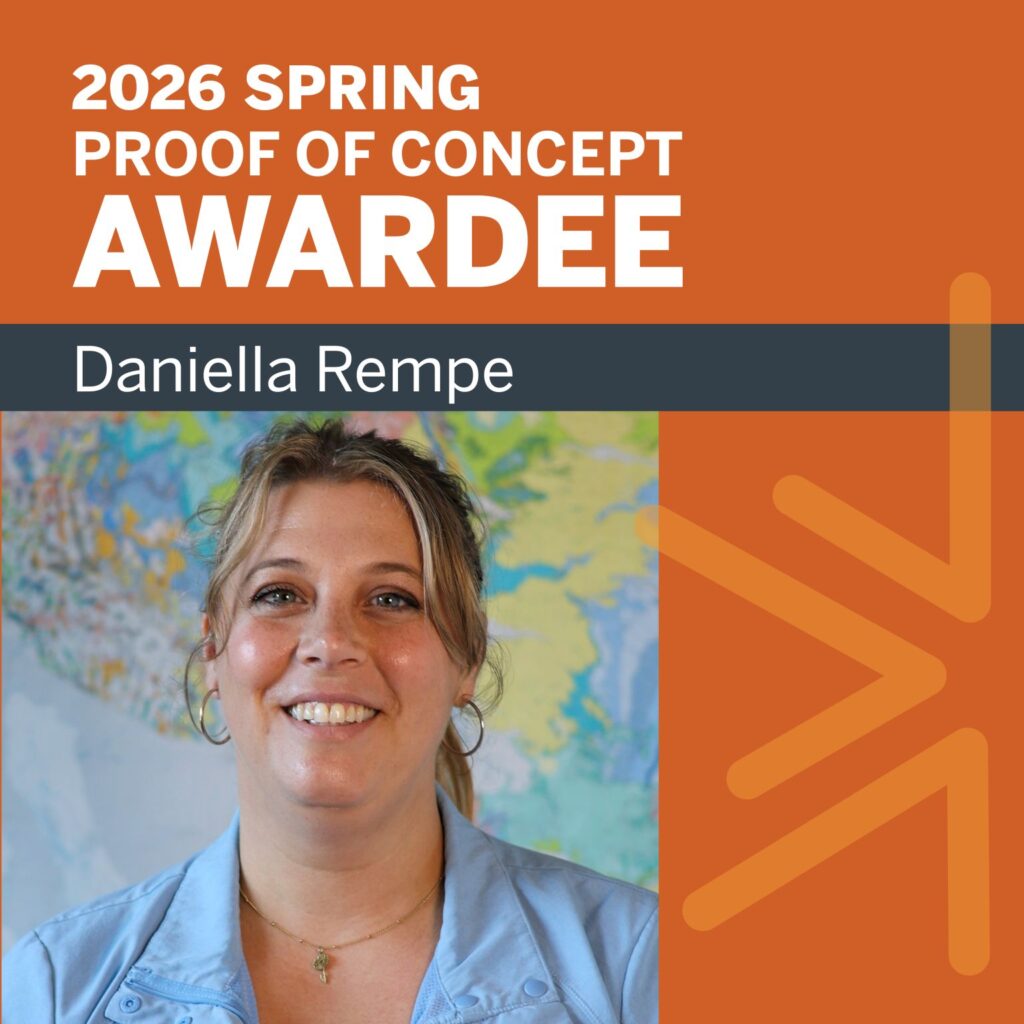
Congratulations to Dr. Daniella Rempe on receiving a Discovery to Impact Proof of Concept Award for her project, Doing for Floods What Smoke Alarms Did for Fire.
Dr. Rempe, an associate professor in the Jackson School of Geosciences at The University of Texas at Austin, is advancing a low-cost, fully autonomous flood alarm designed to provide immediate, site-specific warnings when rising water reaches a location.
READ MORE
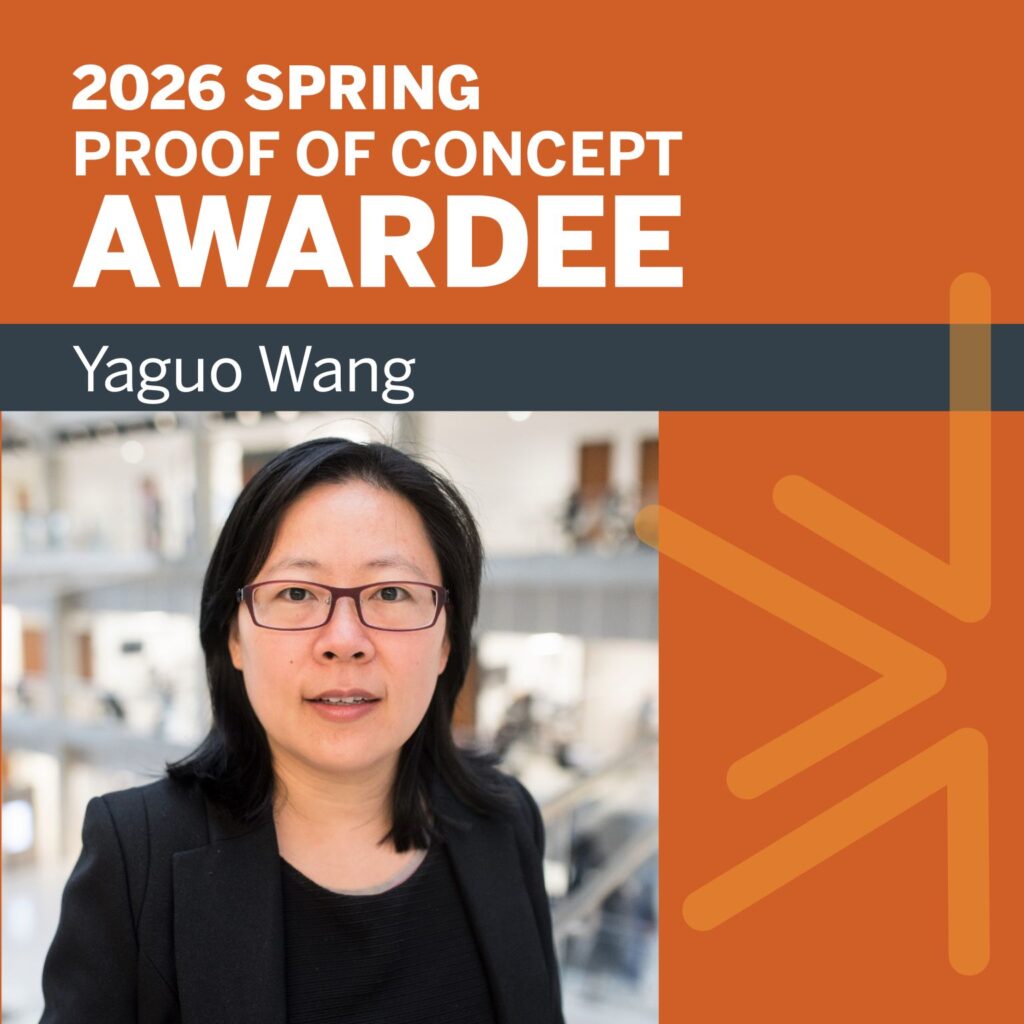
Congratulations to Dr. Yaguo Wang and Alejandro Saenz on receiving a Discovery to Impact Proof of Concept Award for their project, High-Performance Flexible Electronics.
A faculty member in the Cockrell School of Engineering, The University of Texas at Austin, Dr. Wang is advancing an ambient‑air femtosecond laser sintering process to produce oxidation‑free, high‑conductivity copper films on flexible substrates.
READ MORE
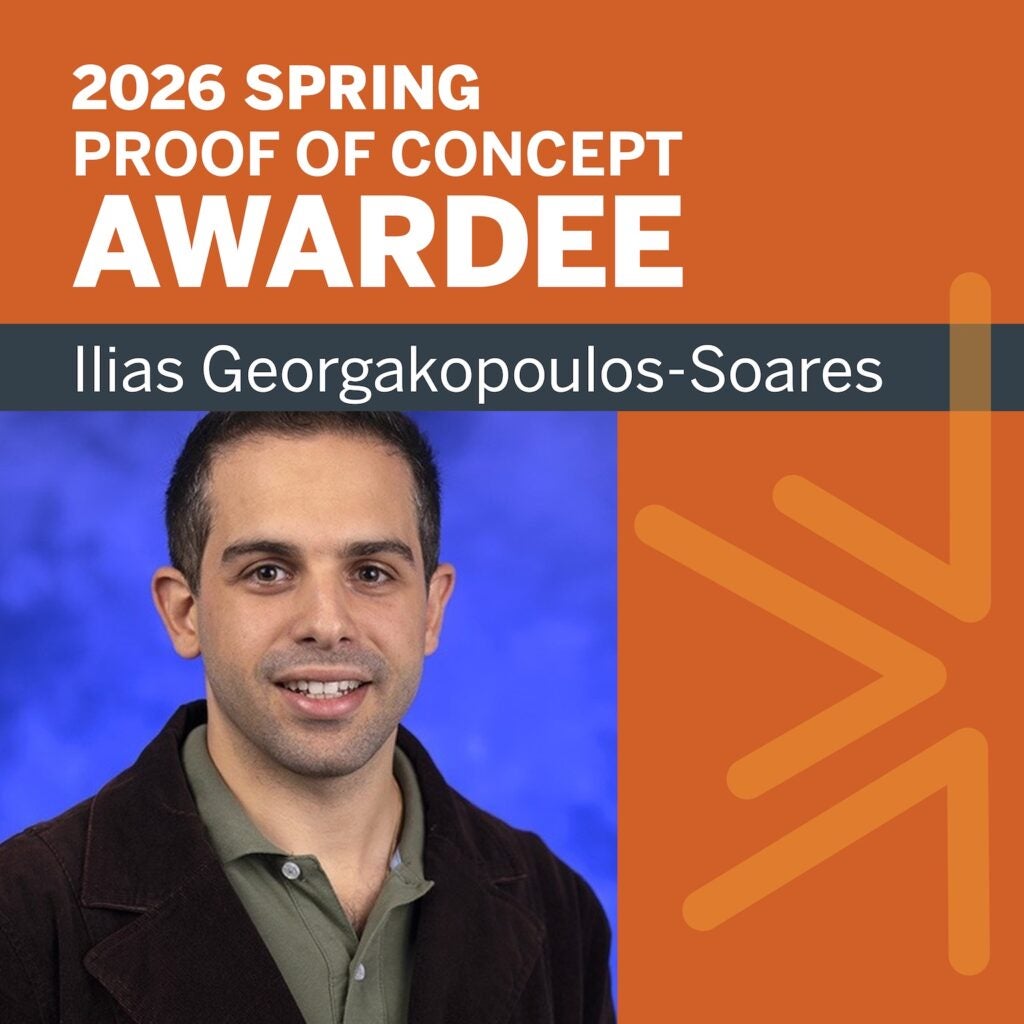
Congratulations to Assistant Professor Dr. Ilias Georgakopoulos-Soares, PhD, and his research teams on receiving two awards recognizing innovative work in privacy-preserving genomic analysis and data compression.
Dr. Georgakopoulos-Soares and team members Kimonas Provatas and Ioannis Mouratidis received a Discovery to Impact Proof of Concept Award for their project, Privacy Preserving Framework for Genomic Analyses. The team is advancing a software-based, privacy-preserving framework that enables secure genomic analysis directly on encrypted data using homomorphic encryption, helping make genomic research more secure and accessible.
Dr. Georgakopoulos-Soares also received an award with team members Michail Patsakis, Aris Karatzikos, and Ioannis Mouratidis for their project, Structure Aware Lossless Compression. The team is developing a structure-aware, lossless data compression platform that automatically learns the underlying structure of datasets to reduce storage and data transfer costs, improving efficiency for large-scale data management and analysis.
READ MORE
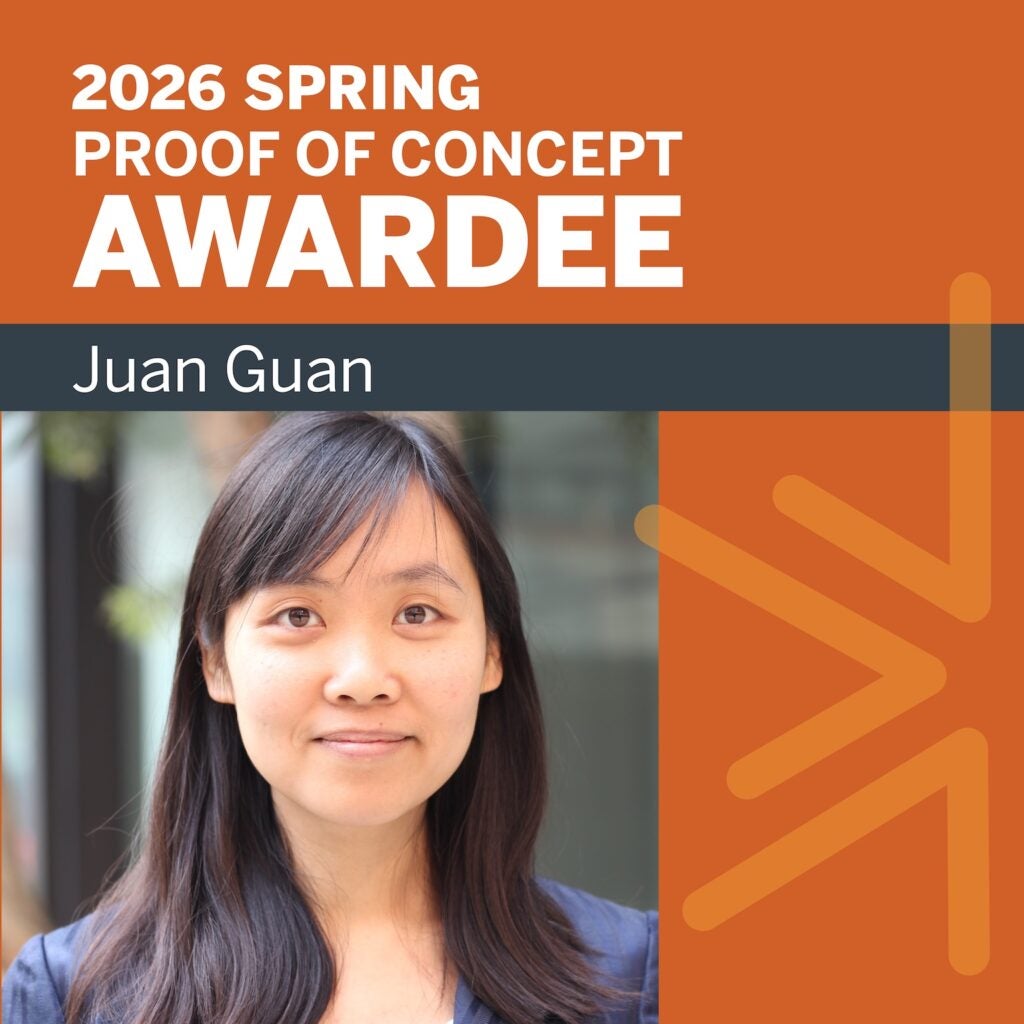
Congratulations to Dr. Juan Guan and Dr. Zhengrong Cui on receiving a Discovery to Impact Proof of Concept Award for their project, A Novel Treatment for TKI-resistant Non-Small Cell Lung Cancer.
Faculty members in the The University of Texas at Austin, College of Pharmacy, Dr. Guan and Dr. Cui are advancing a novel therapeutic strategy for tyrosine kinase inhibitor–resistant non‑small cell lung cancer by using mRNA lipid nanoparticles to deliver peptides that disrupt oncogenic biomolecular condensates.
READ MORE
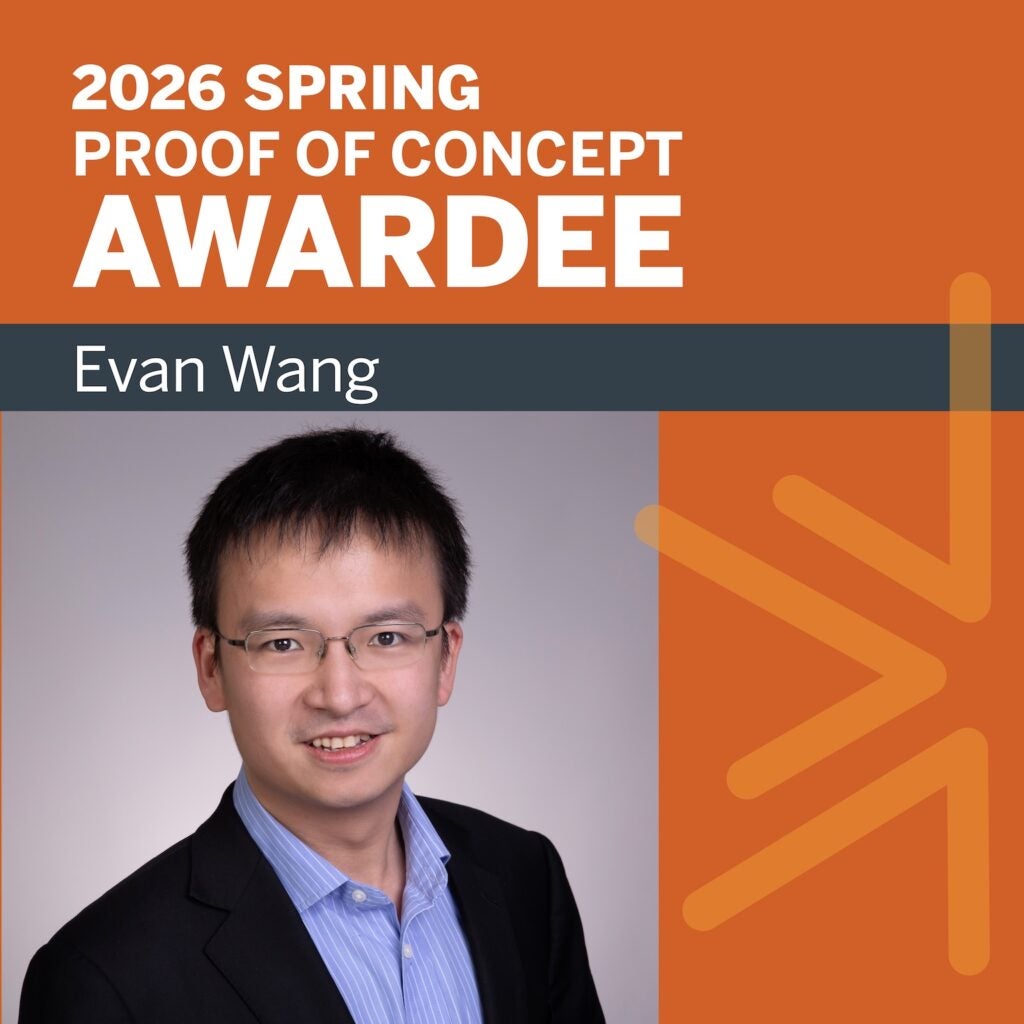
Congratulations to Dr. Huiliang (Evan) Wang and Mohammad Bashashati, M.D. on receiving a Discovery to Impact Proof of Concept Award and Cockrell Innovation Grant for their project, Wearable Ultrasound Neuromodulation System for Gastric Motility Disorders.
Dr. Wang, a faculty member in the Cockrell School of Engineering, The University of Texas at Austin, and Dr. Bashashati, a faculty member in Dell Medical School at the University of Texas at Austin, are advancing a wearable ultrasound neuromodulation system for noninvasive, at-home treatment of gastroparesis and functional dyspepsia.
READ MORE
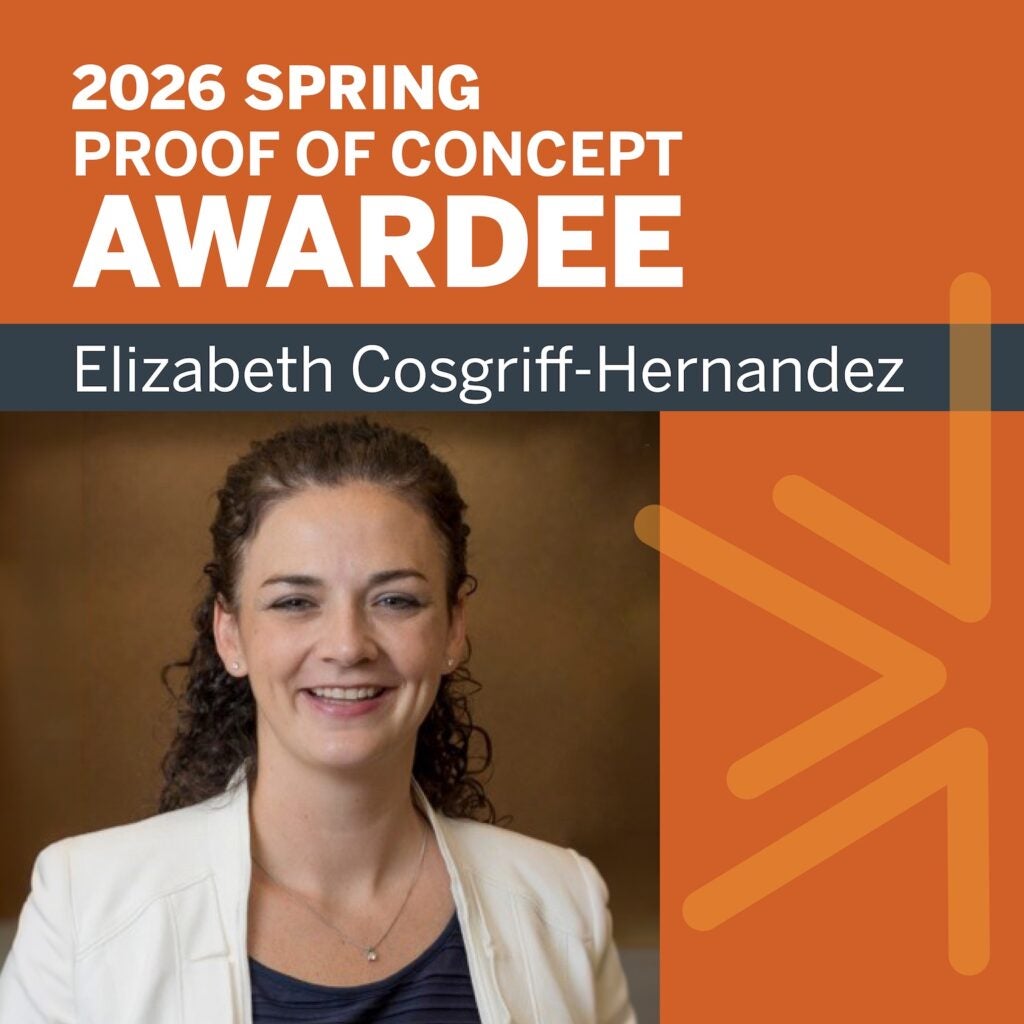
Congratulations to Dr. Elizabeth Cosgriff Hernandez and her collaborators on receiving two awards recognizing innovative work in cardiac rhythm therapy and lung surgery.
Dr. Cosgriff Hernandez received a Discovery to Impact Proof of Concept Award for her project, Transforming Cardiac Rhythm Therapy using Hydrogel mediated Ablation. She and her team are advancing a hydrogel mediated radiofrequency ablation technology designed to improve cardiac rhythm therapy by enhancing energy transfer and thermal control for more uniform lesions and fewer complications.
Dr. Cosgriff Hernandez and her collaborators from MD Anderson, Nicolas Zhou, Paula Aguilera Rodriguez, Andrew Ferrer, and Tim Marin, also received a Discovery to Impact Proof of Concept Award and a Cockrell Innovation Grant for their project, Next Generation BioPatch to Seal Air Leaks After Lung Resection. The team is developing a next generation lung BioPatch designed to rapidly seal post resection air leaks using a pressure resistant, tissue integrating design.
READ MORE
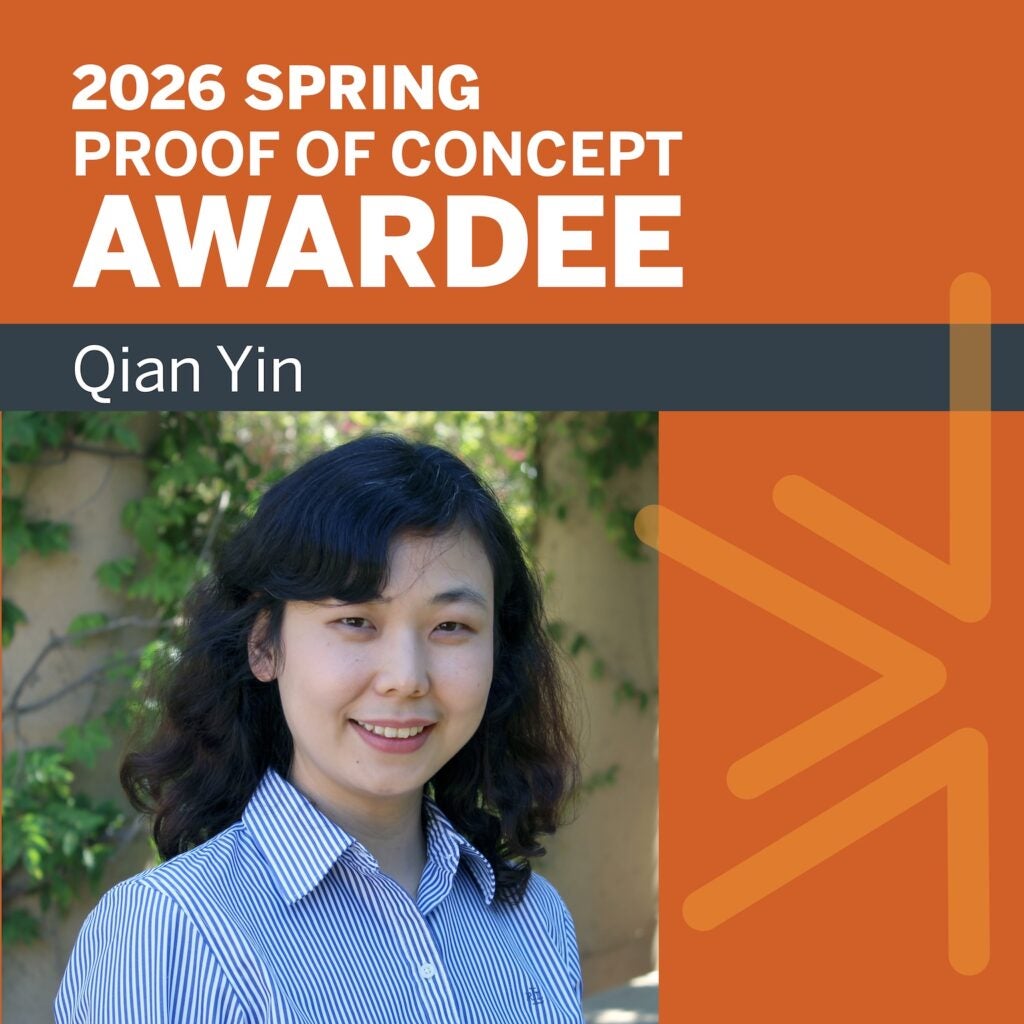
Congratulations to Dr. Qian Yin and collaborator Dr. Zhengrong Cui on receiving both a Discovery to Impact Proof of Concept Award and a Cockrell Innovation Grant for their project, A Novel Adjuvant for Pan-filovirus Vaccine.
Dr. Yin, from the Cockrell School of Engineering, The University of Texas at Austin, is advancing a novel solid-form nanoparticle adjuvant toward a stockpile-ready, pan-filovirus vaccine with broad, durable protection against Ebola, Sudan, and Marburg viruses.
PAST Award Recipients
-
Delia Milliron Flexible and Smart Window Film for Energy Efficiency
Synopsis:
Roughly half of the energy consumption in the United States for buildings is for thermal control and lighting. New smart windows can control heat and light from the sun to improve energy performance in buildings but nearly all installed windows lack these capabilities and it is extremely expensive to replace windows in commercial buildings. UT researchers are developing an innovative, low-cost, film that can be applied to existing windows to dynamically control the amount of heat and light that goes through windows.
-
Donglei (Emma) Fan Point-of-Use Robotic Water Disinfection System: Efficient, All Weather, Scalable
Synopsis:
This proof‑of‑concept project supports the development of a portable, point‑of‑use robotic water disinfection system that enables rapid, chemical‑free treatment of contaminated water for individual users in everyday and emergency settings. The technology leverages a novel electrically driven disinfection approach to achieve high bacterial removal efficiency with extremely low energy consumption, while remaining scalable across different water volumes and usable in all weather conditions. The awarded funding advances prototype design, optimization, and validation, positioning the technology for future commercialization and deployment to improve access to safe drinking water.
-
Edward Yu Low-Cost, Scalable Green Hydrogen Production
Synopsis:
A new photoelectrochemical approach is advancing low‑cost, scalable green hydrogen production by fabricating high‑performance photoelectrodes using processes comparable to silicon solar‑cell manufacturing. The technology has already demonstrated wafer‑scale devices with solar‑to‑hydrogen efficiencies approaching key DOE cost benchmarks, with clear pathways to further performance gains through optimization and nanopatterning. Proof‑of‑concept funding enabled full‑wafer prototype development and system‑level validation to position the technology for scale‑up, industry partnerships, and future commercialization.
-
Elizabeth Cosgriff-Hernandez Next-Generation BioPatch to Seal Air Leaks After Lung Resection
Synopsis:
A next‑generation lung biopatch is being developed to rapidly seal air leaks following lung resection, addressing a common postoperative complication that drives prolonged hospital stays, patient discomfort, and significant healthcare costs. The fibrous patch combines mussel‑inspired wet adhesion, mechanical reinforcement, and tissue‑integrating architecture to withstand high airway pressures while conforming to delicate lung tissue. Proof of concept funding supports prototype fabrication and rigorous benchtop and ex vivo testing to establish performance benchmarks needed to advance toward in vivo validation and future clinical translation.
-
Elizabeth Cosgriff-Hernandez Transforming Cardiac Rhythm Therapy using Hydrogel-mediated Ablation
Synopsis:
Hydrogel‑mediated radiofrequency ablation is being developed to improve cardiac rhythm therapy by enhancing energy transfer between ablation catheters and heart tissue, enabling more uniform lesion formation while reducing dangerous hot spots. By improving thermal control, this approach aims to lower arrhythmia recurrence rates and minimize complications that currently affect a significant fraction of the millions of patients undergoing cardiac ablation each year. Proof of Concept funding supports prototype fabrication, benchtop and ex vivo validation, and thermal modeling to de‑risk the technology and advance its translation toward commercialization through an established startup partner.
-
Erin Reilly Camp Cura: AI Assisted Immersive Asthma Management
Synopsis:
This project supports the development of Camp Cura, an AI‑assisted immersive mobile platform designed to improve asthma self‑management and healthcare transition readiness for adolescents and young adults, with a focus on underserved and minority populations. By combining real‑time symptom tracking, personalized AI coaching, and a highly engaging, game‑based virtual environment, Camp Cura aims to increase adherence, self‑efficacy, and long‑term asthma control. Proof‑of‑concept funding advances the build and testing of a minimum viable product, positioning the technology for clinical validation and commercialization through a startup venture.
-
Farshid Alambeigi 4D Imaging System for Early Diagnosis of Colorectal Cancer
Synopsis:
Colon cancer polyps have a high degree of variation in stiffness, morphology, and sizes across patients, making early polyp detection and classification a imperfect when performing a standard colonoscopy. UT engineers and physicians are developing a new four-dimensional AI-enabled imaging system for the early diagnosis of colon cancer using a novel inflatable tactile sensor and complementary artificial intelligence algorithms.
-
Farshid Alambeigi Clinician-AI Interactive Framework for Early Diagnosis of Colorectal Cancer Polyps
Synopsis:
Early and accurate diagnosis of colorectal cancer polyps is important but difficult due to the high degree or variation in stiffness, shape, and size of polyps across patients. Dr. Farshid Alambeigi’s team at UT Austin in collaboration with MD Anderson Cancer Center are developing an interactive artificial intelligence system that couples with their vision-based tactile sensor to non-invasively and accurately help clinicians detect and classify colon polyps.
-
Farshid Alambeigi Flexible Pedicle Screw for Spinal Fixation Procedures
Synopsis:
Over 350,000 spinal fixation (SF) operations are performed each year in the US, with rigid screw fixation being the gold-standard procedure, even though 22-50% of normal patients and >90% of osteoporotic patients will require an additional revision surgery due to screw pullout or loosening. UT engineers have invented a steerable drill and flexible screws that bend and curve to ensure the screws are secured in less-osteoporotic regions and minimize the risk of surgical failure, which should lead to better surgical outcomes.
-
Farshid Alambeigi Steerable Surgical Drilling Device
Synopsis:
Current orthopedic drills can only drill in a straight line, making surgeries involving complex anatomies more time consuming and less successful. UT engineers have invented a handheld steerable drill for surgeries that require curved trajectories, allowing more efficient and more successful procedures.
-
George Bittner Novel PEG-fusion Therapy for Acute and Chronic Spinal Cord Injury
Synopsis:
Nearly 300 thousand patients are currently living with a spinal cord injury that typically requires surgery that has no ability to restore the loss of neurological function, resulting in a life-long disability. UT scientists have invented a first-in-class drug product and procedure to restore spinal cord integrity and function.
-
Guihua Yu Harvesting Energy from Air for Wearable Electronics
Synopsis:
Novel conductive polymer devices are being developed to harvest diffuse environmental energy from air and humidity, creating a self‑charging power source for wearable electronics that reduces reliance on bulky, rigid batteries. The technology leverages controlled phase separation in PEDOT:PSS gels to deliver continuous, stable power output and can be scaled from single devices to arrays capable of meeting real‑world wearable sensor demands. Proof‑of‑concept funding advances device optimization, scaling, and demonstration in practical wearable systems to enable future partnerships and commercialization in the rapidly growing wearable electronics market.
Discovery to Impact partners with researchers, inventors, investors, and entrepreneurs at every step of their journey in relentless pursuit of changing the world.